Quartz vs. Granite Countertops in Charlotte's Humidity: Maintenance & Durability Guide
Published August 20, 2026 · Updated August 30, 2026
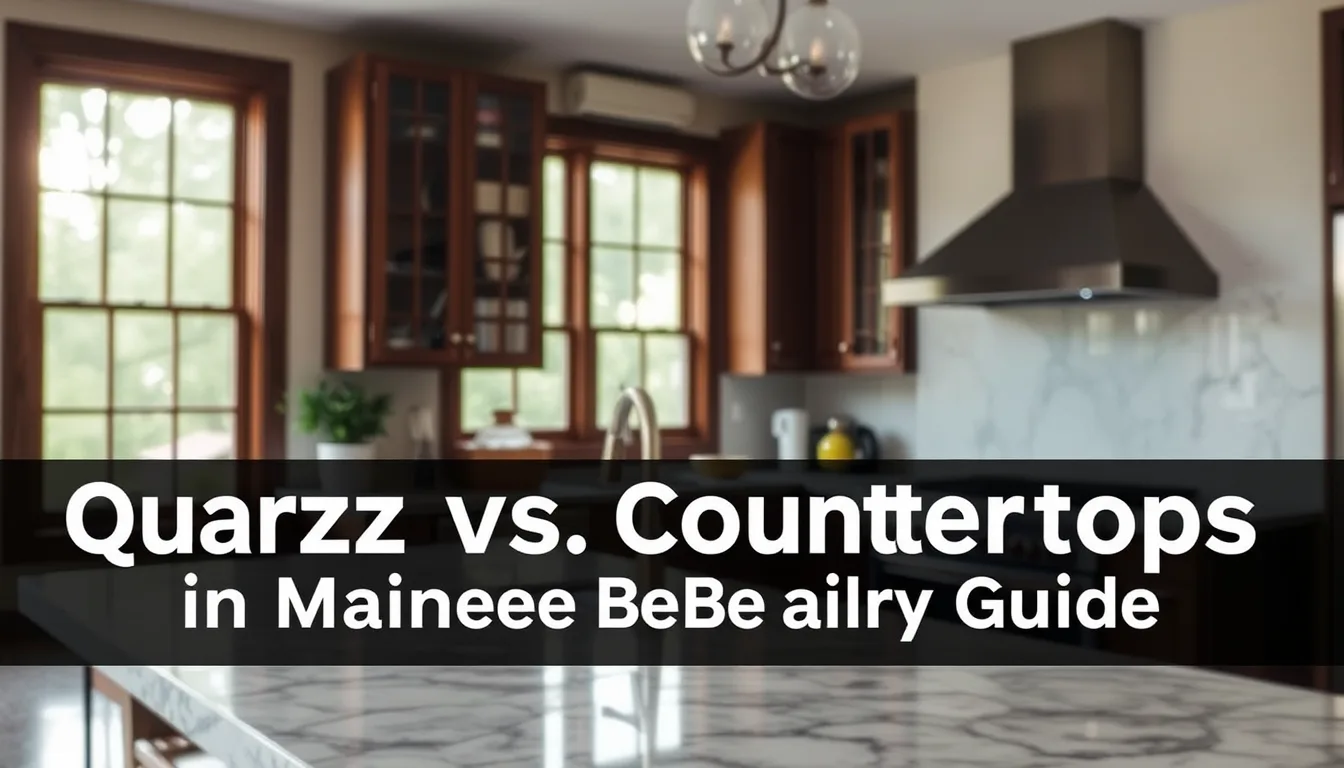
Charlotte's humid subtropical climate—with average humidity levels above 70% and annual rainfall exceeding 43 inches—affects countertop materials differently, particularly regarding sealing requirements and moisture-related maintenance. Quartz countertops are nonporous and require no sealing, while granite is naturally porous and must be sealed regularly to prevent moisture absorption, staining, and bacterial growth in high-humidity environments.
How Does Humidity Affect Granite Countertops in North Carolina?
Granite is a natural stone with microscopic pores that absorb moisture when left unsealed, making it vulnerable in Charlotte's climate where indoor humidity often reaches 60-75%. When moisture penetrates granite, it can cause dark spots (water staining), harbor bacteria in wet areas like kitchen sinks, and weaken the sealant layer over time. Professional-grade sealers should be reapplied every 1-2 years in high-humidity regions, and homeowners should test water absorption by placing drops on the surface—if they soak in within 10 minutes rather than beading up, resealing is overdue.
Why Is Quartz More Maintenance-Free in Humid Climates?
Quartz countertops are engineered from 90-95% ground natural quartz combined with polymer resins, creating a completely nonporous surface that repels moisture without any sealing. This composition prevents water, humidity, and spills from penetrating the material, eliminating the risk of staining, bacterial growth, and mold development common in porous stones. In Charlotte's climate, quartz requires only routine cleaning with mild soap and water, with no seasonal maintenance or professional resealing needed throughout its lifespan.
Which Countertop Material Resists Staining Better in a Moist Environment?
Quartz outperforms granite in stain resistance because its nonporous surface prevents liquids from penetrating, even acidic substances like lemon juice or coffee that sit for extended periods. Unsealed or poorly sealed granite absorbs liquids within minutes, leading to permanent discoloration from wine, cooking oils, or even hard water in areas near sinks and faucets. While properly sealed granite offers reasonable stain protection, the sealant degrades faster in humid conditions, creating windows of vulnerability between maintenance cycles that don't exist with quartz.
How Do Temperature Fluctuations Impact Each Material?
Charlotte experiences temperature swings from winter lows in the 30s to summer highs in the 90s, combined with humidity changes that cause materials to expand and contract. Granite is heat-resistant and can handle hot pots directly from the stove, but extreme temperature changes combined with moisture can stress existing fissures or weak points in the stone. Quartz is less heat-tolerant—hot cookware can damage the resin binders—but its engineered consistency means it expands and contracts uniformly without the natural fissures or weak planes found in granite slabs.
What Maintenance Schedule Should Charlotte Homeowners Follow?
Granite countertops in Charlotte require resealing every 12-18 months due to accelerated sealant breakdown from humidity, plus immediate cleanup of spills and weekly cleaning with pH-neutral stone cleaners to avoid degrading the sealant. Quartz requires only daily or weekly cleaning with mild dish soap and water, with no sealing, no special products, and no professional maintenance appointments. Both materials benefit from using cutting boards and trivets, but granite demands significantly more vigilance about timing and spill response to maintain its protective barrier in a moisture-heavy environment.
Key Takeaways
• Quartz is nonporous and never requires sealing, making it ideal for Charlotte's 70%+ humidity levels and minimal-maintenance lifestyles. • Granite must be resealed every 1-2 years in humid climates to prevent moisture absorption, staining, and bacterial growth in porous surfaces. • Charlotte's temperature swings and high moisture accelerate sealant degradation on granite, creating maintenance gaps that don't affect engineered quartz. • Quartz resists stains from acidic and oily substances without special care, while granite's stain resistance depends entirely on active sealant integrity. • Both materials perform well long-term in North Carolina, but quartz eliminates the ongoing maintenance costs and vigilance required to protect granite in humid conditions.
| Factor | Quartz | Granite |
|---|---|---|
| Sealing Required | Never—nonporous engineered surface | Every 1-2 years in high humidity |
| Moisture Absorption | Zero—resins create impermeable barrier | Absorbs moisture when unsealed or seal degrades |
| Stain Resistance | Permanent—unaffected by humidity | Depends on sealant integrity; degrades faster in moisture |
| Maintenance in Charlotte Climate | Daily cleaning with soap and water only | Regular resealing, pH-neutral cleaners, spill vigilance |
| Bacterial Growth Risk | None—nonporous surface prevents harboring | Possible in unsealed pores, especially near water sources |
| Heat Tolerance | Moderate—hot pans can damage resin | Excellent—natural stone withstands high heat |
| Long-Term Durability in Humidity | Consistent performance with no degradation | Excellent when maintained; vulnerable during seal lapses |