Cabinet Door Styles Explained: Shaker, Raised Panel, Flat Panel & Inset — Choosing for Your Charlotte Home's Architecture
Published August 21, 2026 · Updated August 30, 2026
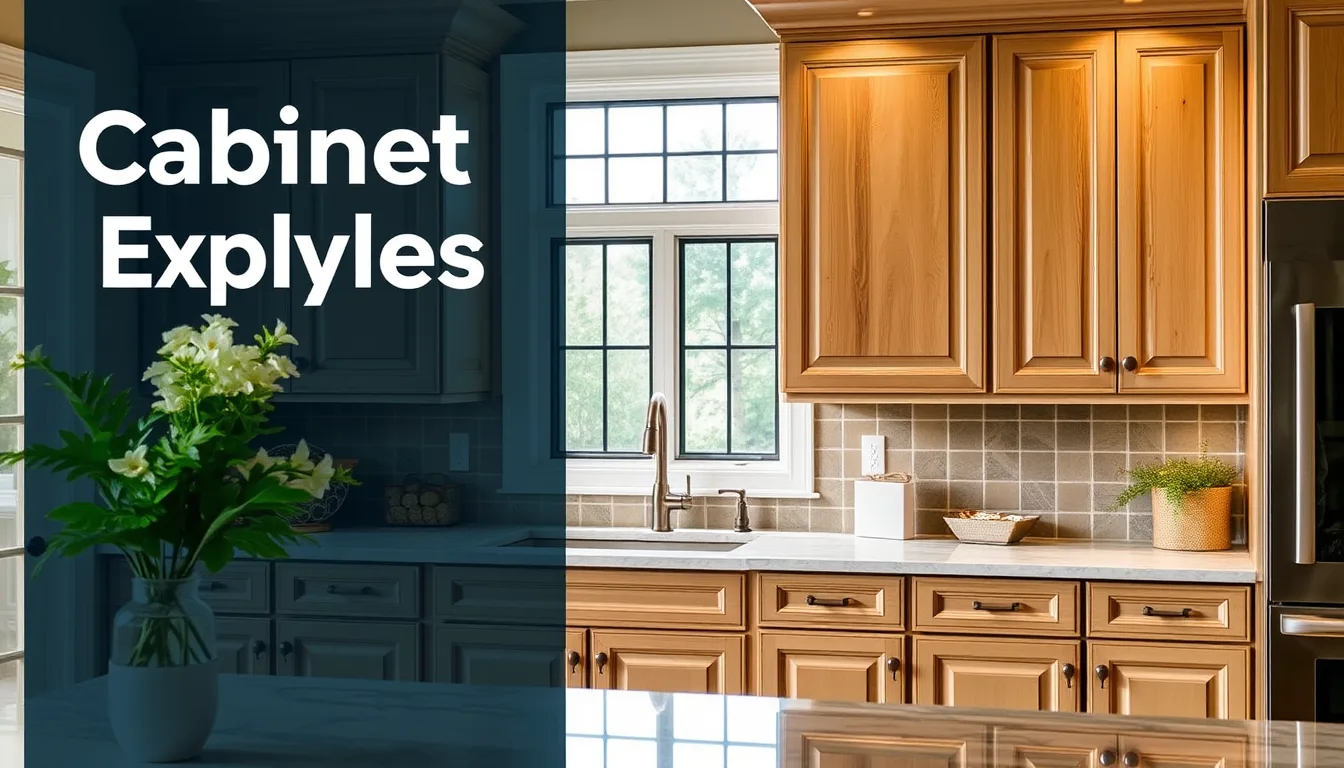
Cabinet door style determines whether your kitchen or bathroom feels integrated with your home's architecture or disconnected from it. Charlotte's housing stock spans Colonial, Craftsman, ranch, and contemporary styles, each traditionally paired with specific door profiles that echo the trim, millwork, and proportions already present in the home.
What Are the Main Cabinet Door Styles?
Shaker doors feature a recessed flat center panel framed by square rails and stiles, creating clean lines without ornamentation. Raised panel doors have a center panel that projects outward from the frame, adding depth and formality. Flat panel (also called slab) doors are single, uninterrupted surfaces with no frame or profile detail. Inset doors sit flush inside the cabinet frame rather than overlaying it, requiring precision construction and tighter tolerances.
Which Door Style Matches Charlotte's Colonial and Traditional Homes?
Colonial, Georgian, and traditional two-story homes built across Charlotte, Matthews, and Weddington typically feature formal symmetry, crown molding, and detailed trim work. Raised panel doors in cherry, maple, or painted finishes echo that formality and add visual weight that balances high ceilings and wide rooms. Beaded inset doors also suit these homes when a more refined, furniture-grade look is desired, particularly in historic neighborhoods like Dilworth or Myers Park where original millwork sets a precedent.
What Works Best in Craftsman and Bungalow-Style Homes?
Craftsman homes in Plaza Midwood, NoDa, and older sections of Cornelius and Davidson emphasize natural materials, visible joinery, and honest construction. Shaker doors align perfectly with this aesthetic—their simple frame-and-panel construction highlights wood grain without unnecessary ornament. Quarter-sawn oak or walnut in natural or medium stains reinforces the Arts and Crafts design language already present in built-in bookcases, window casings, and exposed beams.
How Do You Choose Doors for Ranch and Mid-Century Modern Homes?
Ranch homes built across Charlotte's suburbs in the 1960s and 70s feature horizontal lines, open floor plans, and minimal trim. Flat panel slab doors in light wood tones, white lacquer, or two-tone finishes preserve the clean, uncluttered aesthetic and avoid introducing visual complexity that clashes with the architecture. Horizontal grain patterns or walnut veneer can reference mid-century design without mimicking period pieces, especially in renovated homes in South Park or Cotswold.
What Door Styles Suit Contemporary and Transitional Homes?
New construction and modern farmhouse homes in Ballantyne, Waxhaw, and Lake Wylie often blend contemporary lines with traditional warmth. Shaker doors in painted finishes (white, gray, navy) or flat panel doors with integrated pulls offer versatility that works in both transitional kitchens and fully modern spaces. Frameless construction with slab doors and concealed hinges creates a seamless, European aesthetic in high-end contemporary homes where cabinetry doubles as architectural wall cladding.
Does Door Construction Quality Vary Between Styles?
Inset doors require tighter tolerances, more precise hinge placement, and stable wood to prevent warping that creates uneven gaps, making them more expensive and slower to produce. Raised panel doors involve additional milling and profiling steps compared to flat panel or Shaker doors, slightly increasing cost and lead time. Shaker and flat panel doors are the most forgiving during installation and the least prone to seasonal movement issues caused by Charlotte's humidity swings, which range from 30% in winter to 70% in summer.
Common Questions About Cabinet Door Styles
Can you mix door styles in one kitchen? Mixing styles (such as Shaker perimeter cabinets with flat panel island doors) works in transitional designs but risks visual clutter in traditional or contemporary spaces where consistency reinforces the architectural intent. What if my home doesn't fit one style? Most Charlotte homes blend elements—choose the door style that matches your trim and millwork complexity, then use finish and hardware to fine-tune formality. Do certain door styles show wear or damage more easily? Raised panel profiles and inset gaps collect dust and grease more readily than smooth slab surfaces, requiring more frequent cleaning in high-use kitchens.
Key Takeaways
Shaker doors suit Craftsman and transitional homes with their simple frame-and-panel construction. Raised panel doors match Colonial and traditional architecture with formal detailing and visual depth. Flat panel slab doors align with ranch, mid-century, and contemporary homes that emphasize clean lines. Inset door construction requires higher precision and cost but delivers a furniture-grade appearance. Cabinet door style should echo your home's existing trim, millwork, and proportions rather than fight against them.
| Door Style | Best Home Types | Visual Characteristics | Relative Cost |
|---|---|---|---|
| Shaker | Craftsman, Transitional, Farmhouse | Recessed flat panel, square frame, minimal detail | Moderate |
| Raised Panel | Colonial, Traditional, Georgian | Projecting center panel, formal profiles, depth | Moderate to High |
| Flat Panel (Slab) | Ranch, Mid-Century, Contemporary | Single smooth surface, no frame or profile | Moderate |
| Inset | Historic, High-End Traditional, Custom | Doors flush with frame, tight tolerances, furniture-grade | High |