Bathroom Ventilation Mistakes That Ruin Beautiful Tile and Custom Cabinets
Published August 21, 2026 · Updated September 1, 2026
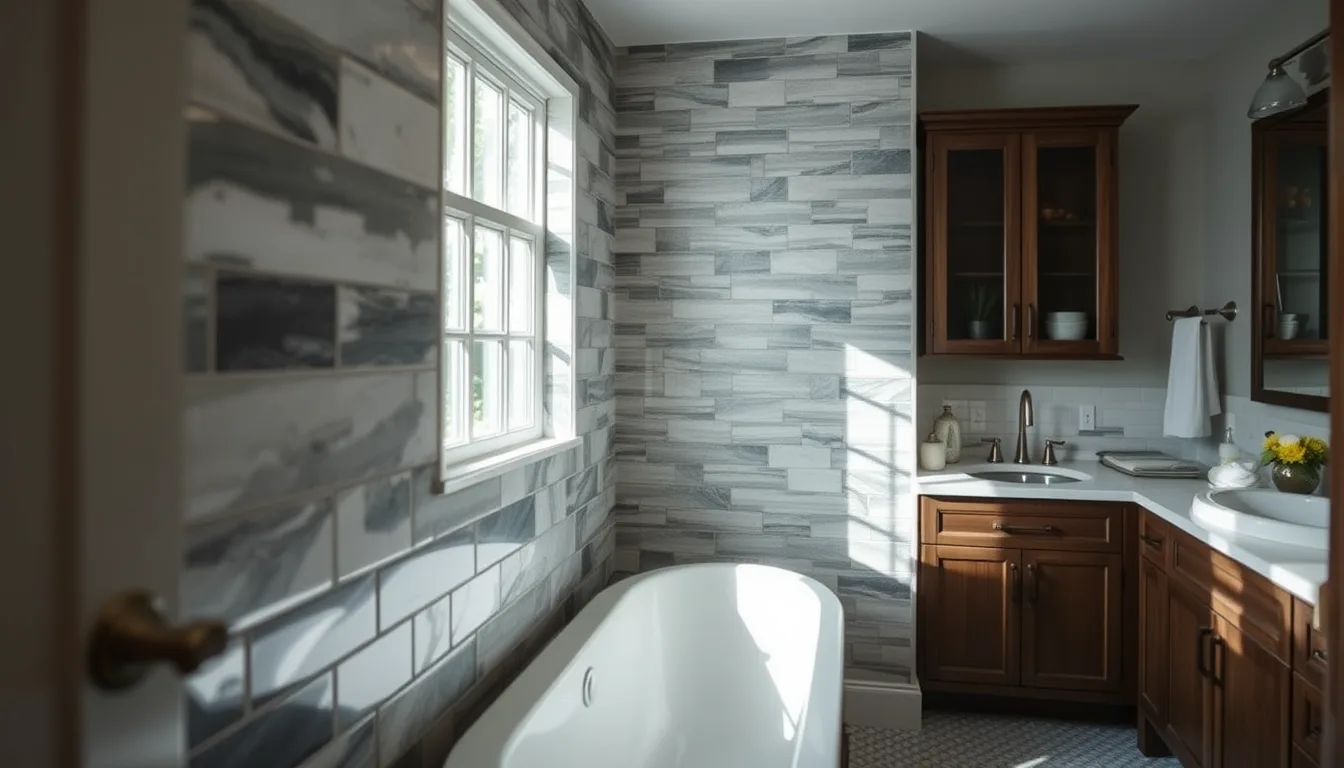
Inadequate bathroom ventilation is the leading cause of premature failure in custom cabinetry, tile grout, and painted surfaces, turning a $30,000 remodel into a moldy disappointment within two years. New Life Building Supplies works with homeowners and contractors throughout Charlotte, NC to specify moisture-resistant materials for bathroom projects—but no finish or sealant can compensate for a ventilation system that doesn't actually remove humid air from the room.
Why Bathroom Ventilation Failure Destroys Premium Materials
Moisture accumulates on cool surfaces when humid bathroom air isn't vented outdoors, creating persistent condensation on cabinet interiors, mirror frames, and grout lines. Custom wood cabinetry swells and delaminates, tile grout develops mold colonies, and painted drywall blisters—all because water vapor remains trapped in the room. Even quartz and granite countertops suffer when the cabinetry beneath them warps from sustained moisture exposure, causing structural movement and cracking.
The Three Ventilation Mistakes That Cause the Most Damage
The most common failure is undersized exhaust fans rated below 50 CFM (cubic feet per minute) for bathrooms larger than 50 square feet, which cannot exchange air quickly enough during showers. Second is venting the fan into an attic or crawlspace instead of outdoors, which simply relocates moisture to a space where it causes hidden structural rot. Third is installing the fan too far from the shower enclosure—moisture should be captured at the source, not after it has dispersed throughout the room and condensed on cabinets and millwork.
What Proper Bathroom Ventilation Actually Requires
A correctly sized exhaust fan should provide at least 1 CFM per square foot of bathroom area, or 50 CFM minimum, and must duct directly to an exterior wall or roof termination with rigid or semi-rigid metal ducting. The fan should be located within 3 feet of the shower or tub and wired to remain on for at least 20 minutes after the light switch is turned off, ensuring moisture is fully evacuated. In bathrooms with custom cabinetry or luxury tile work, upgrading to a 70-110 CFM fan with a humidity-sensing auto-on feature provides insurance against user error and protects the material investment.
How This Affects Your Custom Cabinet and Tile Investment
New Life Building Supplies provides premium USA-made custom cabinetry and professional countertop installation services for bathroom remodels throughout the Charlotte area, but these materials require a functional moisture-control environment to perform as designed. Cabinet warranties often exclude moisture damage, and tile grout manufacturers specify ventilation requirements in their installation standards—failures here void protections and accelerate replacement cycles. Addressing ventilation during the design phase, before cabinetry is ordered, ensures the mechanical system matches the quality of the finish materials.
Quick Questions About Bathroom Ventilation and Remodeling
**Can I add ventilation after the remodel is complete?** Yes, but routing new ductwork through finished ceilings or walls is disruptive and expensive compared to including proper exhaust fans in the original construction scope. **Do bathroom windows provide enough ventilation?** No—windows rely on occupant behavior and outdoor temperature differentials, and cannot guarantee moisture removal during cold weather when condensation risk is highest. **Will a larger fan damage my finishes with too much airflow?** No, oversizing a bathroom exhaust fan within reasonable limits (up to 110 CFM for typical residential bathrooms) does not harm materials and provides faster moisture clearing and better protection.
Key Takeaways
• Bathroom exhaust fans must be rated for at least 1 CFM per square foot and vent directly outdoors, not into attics or crawlspaces. • Undersized or poorly located fans allow moisture to condense on custom cabinetry, tile grout, and painted surfaces, causing mold, warping, and premature failure. • Installing humidity-sensing fans or timer switches ensures moisture removal even when occupants forget to run the fan manually. • New Life Building Supplies offers design consultation services in Charlotte, NC to coordinate ventilation planning with custom cabinetry and countertop selection for bathroom remodels. • Addressing mechanical ventilation requirements during the design phase protects material investments and preserves warranty coverage on cabinets and tile installations.
| Requirement | Correct Specification | Common Mistake | Result of Mistake |
|---|---|---|---|
| Fan Capacity | ≥1 CFM per sq ft, 50 CFM minimum | 30-40 CFM builder-grade fan | Insufficient air exchange; persistent humidity |
| Duct Termination | Exterior wall or roof vent | Vented into attic or soffit | Moisture relocated to hidden structural spaces |
| Fan Placement | Within 3 feet of shower/tub | Centered in ceiling far from moisture source | Humidity disperses before capture; condenses on cabinets |
| Runtime Control | Timer or humidity sensor (20+ min) | Tied to light switch only | Fan off while moisture remains; user-dependent operation |